Cool as a… Seakeeper?
When it comes to boat stabilizing gyroscopes, it’s often debated whether air-cooled gyros vs. seawater-cooled gyros are best. We’re going to break down the pros and cons of both (yes, even of ours!) so you can form your own opinion when you read about how stabilizers work.
BUT FIRST, WHY DOES IT NEED COOLING?
Start first by reading our FAQ “Why Does Seakeeper’s Flywheel Spin in a Vacuum?” This gives detailed information on, well, why we spin our flywheel in a vacuum.
An excerpt from that article explains:
The bearings (friction) and motor (power) create heat inside Seakeeper’s sealed sphere. When you then enclose all of that heat, you have to find a way to remove it from the enclosure so the Seakeeper can operate without overheating. For gyros that don’t spin their flywheel in a vacuum, air friction working against the flywheel creates much of the heat that those units generate.
All gyros – no matter the brand – can overheat. That’s where air cooling vs. seawater cooling come into play.
SEAWATER COOLING
Seawater cooling is needed when a gyroscope’s flywheel is spinning in a vacuum, as mentioned above.
Pros:
- A vacuum-enclosed gyroscope presents the most efficient package with reduced power, weight and physical footprint.
- Seawater-cooled units can be installed anywhere on board, where there’s space. You don’t have to take adequate ventilation into account when finding an installation location, because the heat is dissipated through the cooling system, rather than into the space in which it’s installed.
Cons:
- We recommend annual (or ~1,000 hours) maintenance and inspection of your Seakeeper. The cooling system is included here, and we suggest inspection of the heat exchanger (including anode replacement on AC models), coolant, hoses, etc. This annual maintenance recommendation isn’t limited to the cooling system, however, so it’s just one more thing on your service list.
AIR COOLING
Air cooling is possible when a gyroscope’s flywheel is not spinning in a vacuum. Heat is dissipated in the surrounding atmosphere and doesn’t have to be actively removed.
Pros:
- Air cooling is the least technical way to cool a gyro, meaning no extra parts to malfunction or service.
- No thru hulls are needed since no water needs to be drawn into a cooling system.
Cons:
- When a flywheel isn’t spinning inside a vacuum, it’s working against air resistance. For the same amount of stabilization as a unit with a flywheel spinning in a vacuum, an air-cooled unit must either be larger or draw more power.
- Air-cooled units need to be installed where there will be enough ventilation to allow the heat to dissipate into the environment, not in a tight, enclosed space.
- Heat is generated by the loss of energy, making it a product of efficiency. The more heat something creates, the less efficient it is, so more of the energy it consumes is lost as heat. This, in turn, will require more power to create any given amount of angular momentum.
SEAKEEPER’S SECRET SAUCE
If you’ve been paying attention, we’re obviously team seawater-cooling. In fact, we use a glycol/seawater combination, through which we dissipate heat from inside the vacuum. Our cooling system is what took us years of R&D, and it’s one of our greatest inventions, which is why we patented it.
We’re confident in our choice to build seawater-cooled stabilizers because we know each Seakeeper is the smallest, lightest, and most efficient gyro stabilizer option available for your boat.
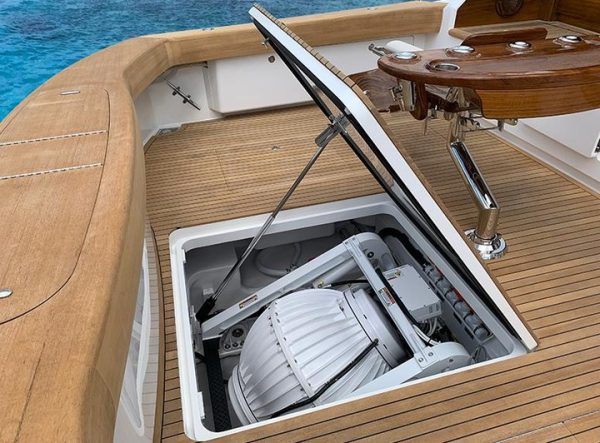
How heavy are these things?
We know weight is a regular conversation when it comes to boating. So what about the Seakeeper? How heavy are these things?
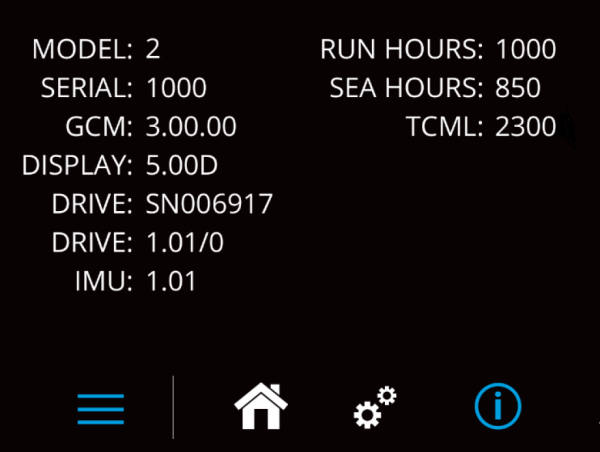
Why should I register my Seakeeper?
We can’t speak for every company, but registering your products, especially your Seakeeper, can come with some great benefits!
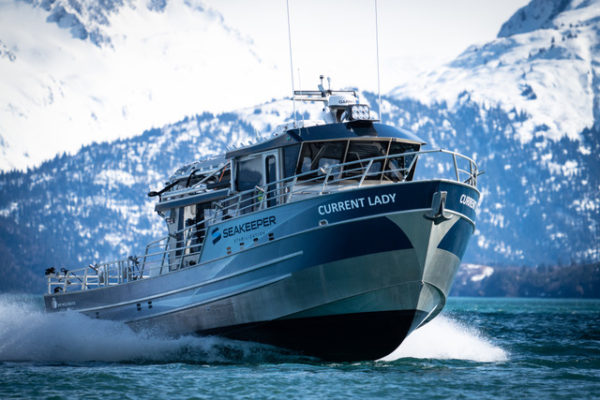
Choose Your Charter
Now that Seakeeper is on thousands of boats around the world, you’ve got the power to choose a Seakeeper-equipped charter boat on your next outing.